

Youth project / nature / national final
Het Gouwebos
A concrete improvement plan for the forest between Waddinxveen and Boskoop. What started with daily observations grew into a national final in the House of Representatives and a second prize at the Dutch Youth Prize 1999.
The case in 30 seconds
Het Gouwebos
- Problem
- A concrete improvement plan for the forest between Waddinxveen and Boskoop. What started with daily observations grew into a national final in the House of Representatives and a second prize at the Dutch Youth Prize 1999.
- Solution
- An own improvement plan forHet Gouwebosgrew into a national final and a second prize at the Dutch Youth Prize 1999.
- Role and focus
- Nature, initiative
- Status
- Recognized youth case
- Result
- Plan, final, second prize
Core story
A daily cycle route became a design question
As a student of the A.O.C. I cycled through Green College every day throughHet Gouwebos. I saw mopeds driving along the paths, dogs running loose, playing fields uninviting and the tight planting making the forest feel less natural. At the same time, there was unrest about housing construction and a possible ring road through the area.
I turned this into a project with a few friends through Code Name Future, part of the Dutch Youth Prize. Not just a plea to preserve the forest, but a detailed proposal to better connect nature, recreation and safety.
The area from above
A green island between two hometowns
From above it becomes visible why rail, water, residential edges and open polder all became part of one design question.
 Gouwebos / aerial photo 2025
Het Gouwebosbetween Waddinxveen and Boskoop.
The railway visually divides the area into two parts; on the east side lies the open peat meadow landscape of the Voorofsche Polder.
Source: Visual material collaboration via PDOK, Aerial photo 2025 Ortho 25 cm RGB, CC BY 4.0. Cropped for this portfolio.
Personal retrospective
Enterprising, long before I called it that
Het Gouwebosdid not stand alone. It was in line with a way of working that started in primary school and that I still recognize in how I approach projects.
The attitude behind the project
Making curiosity visible
For speaking engagements on topics such as the F-14 Tomcat and trains, I not only collected books and photos in the library. I made collages, looked up people from the field and even asked the NS if I could look at the front of a train and ask questions.
I brought that same drive with me to the A.O.C. when I was fourteen. Green College: do not wait until all the resources were available, but think of what was needed and then set out to make it possible.
A model as the centerpiece
I came up with a miniature version ofHet Gouwebos, with the railway, water, trees and greenery as a tangible basis for the story.
Approach local sponsors
With little budget of my own, I entered shops and companies. A model shop helped with materials, other entrepreneurs with paint, a large plate, printing, a T-shirt or an engraved sponsor sign.
Building where there was space
A farmer friend made a container available as a workplace. An old model train from the attic was given a place in the model; I brought the large base plate through Waddinxveen to the construction site myself.
Everything became one presentation
Model, posters, flyers, interviews, T-shirt and later a CD-ROM together formed a striking and coherent story for the jury, press and public.
What was then mainly enthusiasm and courage, I now recognize as my regular way of working: researching a challenge, bringing people along, organizing resources and turning individual parts into a convincing whole.
Project progress
From observation to a national stage
The recovered newspapers make the process visible again: researching, designing proposals, presenting, persevering and ultimately gaining recognition.
Start from school
A brochure from Code Name Future drew attention to the Dutch Youth Prize. The theme became: better environment and nature close to home.
The plan becomes public
It Weekly magazine for Waddinxveen describes the project, the daily route through the forest and the first concrete proposals.
National final
More than forty youth projects were presented in the hall of the House of Representatives in The Hague.Het Gouwebosparticipated in the Nature category.
Second prize confirmed
Heart of Holland corrects an earlier result: Het Gouwebos won second prize and a check for 300 guilders.
The proposal
Not a separate dream, but a package of interventions
The proposals combined biodiversity, accessibility, recreation and safety - on the scale of a real area.
More variety
Highland cattle grazing, more mushroom pools and mushrooms, a bird observation hut and less tightly planted trees.
Quiet routes
Dog parks, clear maps and shelters that help visitors through the forest without disturbing vulnerable places.
Less nuisance
Better lighting, checks on mopeds and scooters and denser vegetation along the track to dampen train noise.
Nature before hardening
An alternative to housing or a ring road through the forest, summarized in the presentation question: “What do you call natural?”
Certificate
Youth Prize Nature 1999
The preserved certificate and the newspapers later found complement each other: Nature category, national final, second prize and a concrete follow-up plan.
Why this matters
From prize money to a next step
According to Heart of Holland the plan was to use the check for 300 guilders to organize activities, raise more funds and explain the proposal to the mayor and aldermen.
Retrieved archive
Four publications reconstruct the story
The scans come from the digital newspaper archive of the Midden-Holland Regional Archives. Open a card for the original page in the archive viewer.

Stefan Raijmakerswants improvement in Gouwebos
Weekly magazine for Waddinxveen - the plan, the reasons and the proposals are described in detail for the first time.
Open original scan
Stefan's plan still nominated
Weekly magazine for Waddinxveen - the ministry reviewed the plans; the presentation for March 22 was expanded with interviews, a poster and a CD-ROM.
Open original scan
National final in the House of Representatives
Heart of Holland - more than forty projects from all over the Netherlands presented their ideas in The Hague.
Open original scan
Second prize forStefan
Heart of Holland corrects previous reporting: Het Gouwebos won second prize and a check for 300 guilders.
Open original scanSources: Central Holland Regional Archives, Weekly magazine for Waddinxveen and Heart of Holland, 1999. The scans are included here for source reference and historical context.
Look before thinking
The proposals arose from daily use, perceived nuisance and knowledge of the area.
A system of interventions
Nature, recreation, safety and noise were not treated separately, but as one coherent living environment.
Make the idea transferable
Interviews, a contrasting poster, a CD-ROM and a presentation made the proposal understandable for the jury and audience.
Still a finalist after rejection
An initial disappointment was followed by a stronger presentation, a national final and a second prize.
Field observation
Concept development
Natuur & leefomgeving
Presentation
Stakeholder thinking
Perseverance
Next cases
From living environment to design
The line continues in projects in which observation, concept, communication and implementation come together again.
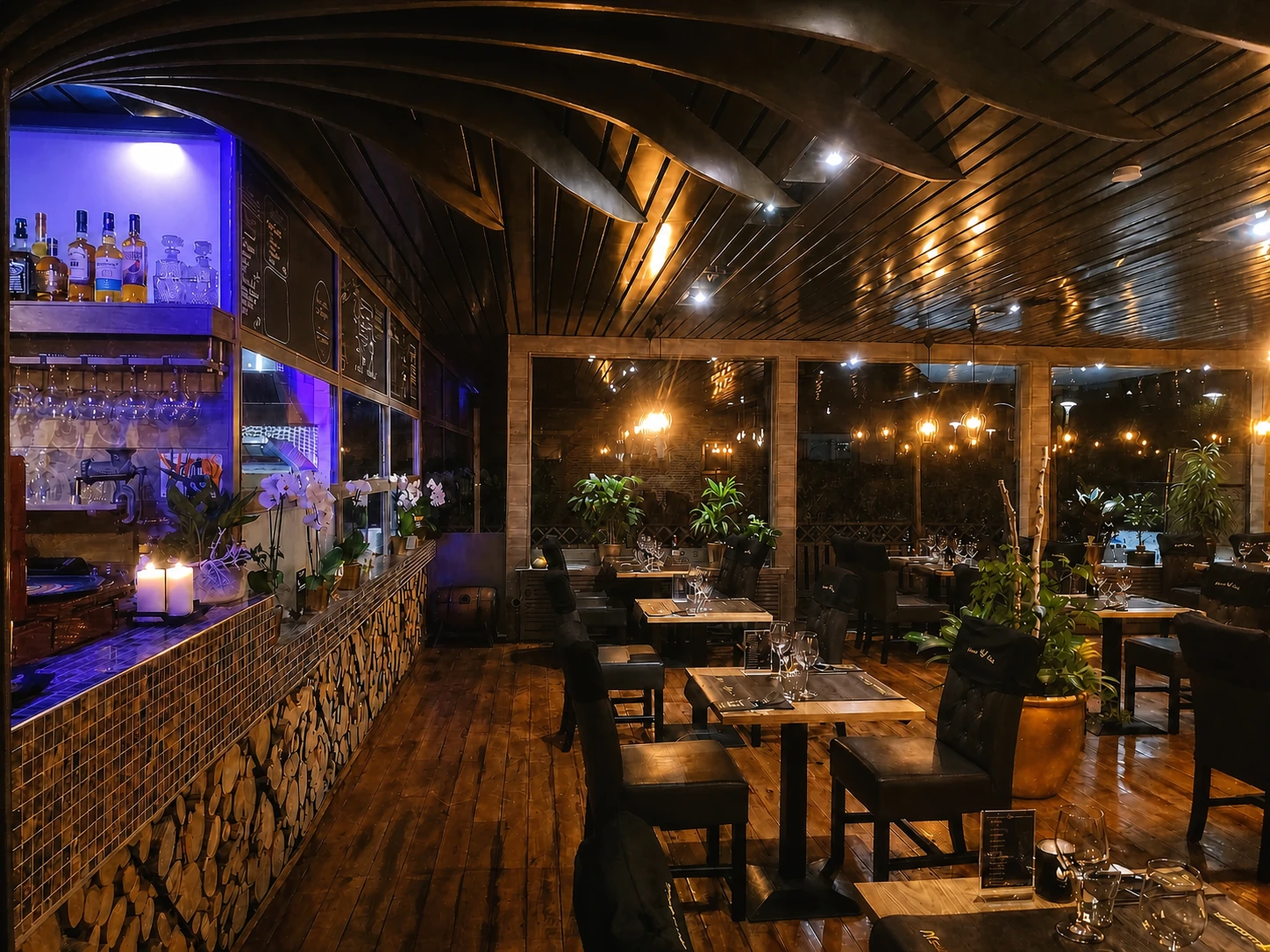 Steuncase / merk & operatie
Phoenix Garden
From outdated grill restaurant to warm hospitality concept with interior, branding, menu, QR flow, team and operation.
Steuncase / merk & operatie
Phoenix Garden
From outdated grill restaurant to warm hospitality concept with interior, branding, menu, QR flow, team and operation.
 Community / events
Hollands Glorie
Dutch-speaking World of Warcraft community with events, cosplay, promotional images, Outpost collaboration and media attention via #FIRST.
Community / events
Hollands Glorie
Dutch-speaking World of Warcraft community with events, cosplay, promotional images, Outpost collaboration and media attention via #FIRST.
 Game knowledge / community leadership
Battlefield Play4Free
Golden case in which in-depth game knowledge grows into guides, visualizations, community leadership, player coaching, team play and a joint world title.
Game knowledge / community leadership
Battlefield Play4Free
Golden case in which in-depth game knowledge grows into guides, visualizations, community leadership, player coaching, team play and a joint world title.
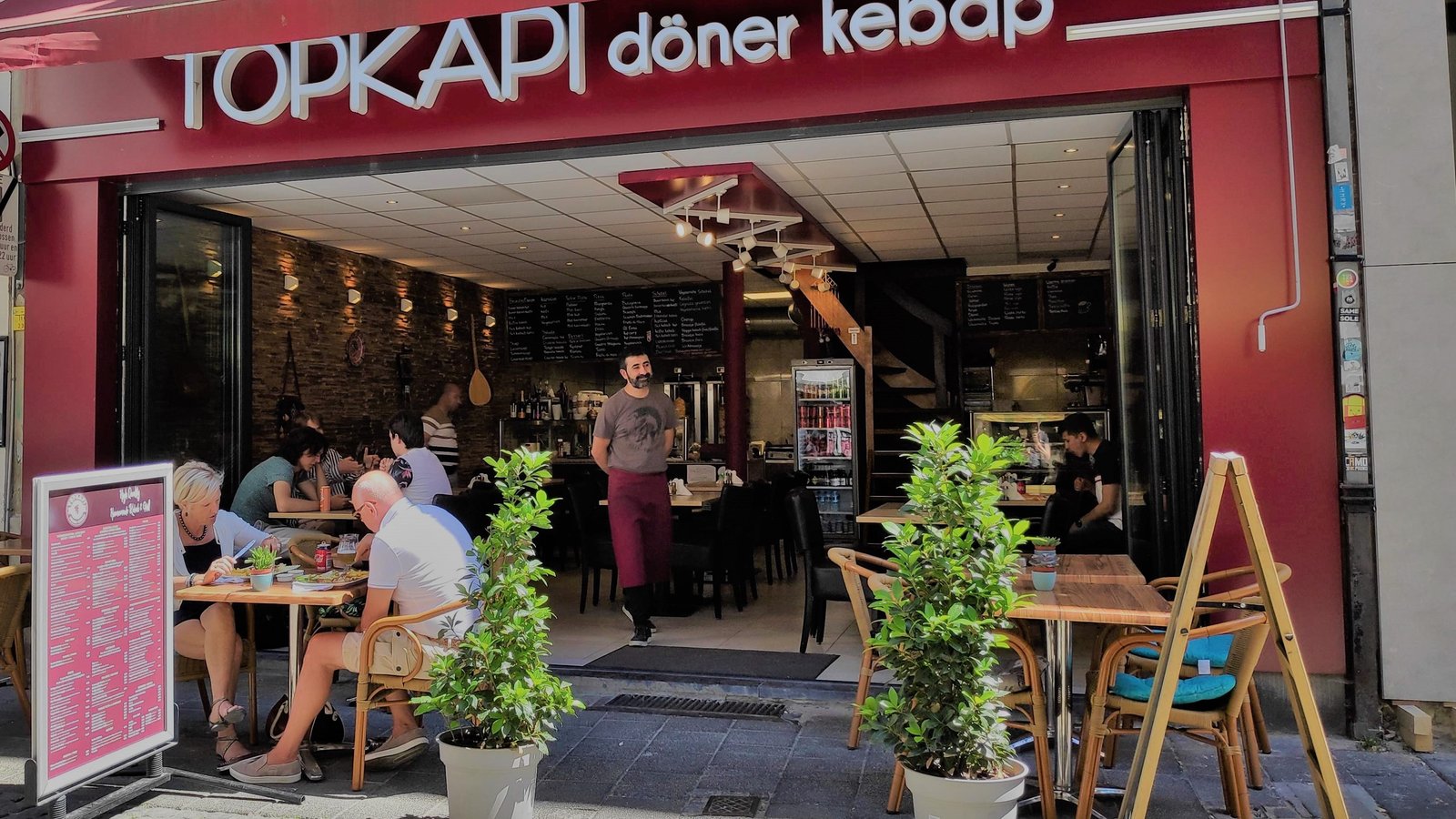 SME / restaurant / QR flow
Topkapi Restaurant
Restaurant website from 2020 in which atmosphere, menu, QR routing and visitor registration formed one practical guest journey.
SME / restaurant / QR flow
Topkapi Restaurant
Restaurant website from 2020 in which atmosphere, menu, QR routing and visitor registration formed one practical guest journey.