

Community / events / online organization
Hollands Glorie
A Dutch-speaking World of Warcraft community that grew into a network spanning fourteen realms, with 5,000+ accounts, approximately 3,500 active players, its own platform, dozens of volunteers, daily activities and encounters outside the game.
The case in 30 seconds
Hollands Glorie
- Problem
- A Dutch-speaking World of Warcraft community that grew into a network spanning fourteen realms, with 5,000+ accounts, approximately 3,500 active players, its own platform, dozens of volunteers, daily activities and encounters outside the game.
- Solution
- Dutch-speaking World of Warcraft community with events, cosplay, promotional images, Outpost collaboration and media attention via #FIRST.
- Role and focus
- Community, events
- Status
- Community case
- Result
- Platform, planning, events
Personal motivation
A community that continues to live
For me, Hollands Glorie was never just a guild with a website. The interesting thing was what happens when people take a shared world seriously: agreements, rhythm, recognition, mutual help and moments that also gain meaning off the screen.
That's why I didn't just build content or a platform, but a social infrastructure. The website had to make information usable; planning had to give members something to hold on to; events, cosplay and media had to give the group a face. It is precisely that connection between digital and physical that makes this case still relevant.
Growth in context
From initiative to reach
The growth required the same translation again and again: converting a shared passion into an environment that people can find, understand and contribute to.
The starting point
A Dutch-speaking social group started in World of Warcraft and quickly connected to multiple servers.
Fourteen active servers
The community worked across fourteen servers with more than 3,500 players and teams for organization and activities.
Visible at #FIRST
An appearance in the Dutch program #FIRST on Ziggo TV also made the community visible beyond its own channels.
More than 5,000 accounts
With approximately 3,500 active players, a full calendar and local teams, the project grew into a fully-fledged volunteer organization.
The community at a glance
Not a separate guild, but a network
The numbers only tell part of the story. Behind every account there was a player, and behind every realm a local team that kept the bigger picture running.
01: The digital heart
Website, forum and voice as one community platform
The website and Mumble were not separate tools. Together they formed the place where information, planning, conversations and identity came together. TeamSpeak was also used in the broader voice infrastructure.

Everything for a big guild
- raid progression and current recruitment per class;
- an extensive forum and Facebook integration;
- calendars, news, contests and competitions;
- private spaces for raid teams and community teams;
- Mumble voice channels for daily coordination across realms;
- information for members, team leads and board.
02: Always something to do
Activities made players a community
Not only the best players counted. The program offered different entry levels so that new and experienced members could play, learn and celebrate success together.
Social raids
Accessible raids for almost every member at maximum level, intended to discover content together, without strict admission requirements.
Progress raids
Permanent teams worked systematically on difficult raid content, team personnel and progress per realm.
PvP
Teams played against other players in battlegrounds and other competitive games.
Achievement runs
Members set out to unlock special joint achievements and rewards.
Dungeon runs
Small groups helped each other with dungeons, equipment, experience and getting to know new content.


An idea that technically became reality
Cross-realm as gear
Hollands Glorie connected Dutch-speaking players on different realms via one brand, one organization and voice chat before Blizzard's broad cross-realm rollout. When Blizzard allowed players to technically play together across realm boundaries, it was almost exactly in line with the concept that we had already built organizationally.
Aug 16, 2011Real ID groups for dungeons go live.
Patch 4.3.2 · 2012Cross-realm raids and battlegrounds are being expanded.
Aug 28, 2012Cross-Realm Zones appear with patch 5.0.4.
Dating verified from Blizzard publications. The impact on Hollands Glorie is Stefan's reflection on the development of the community.
03: Reach & presence
From raids to events
The name became visible in almost every part of World of Warcraft and in places where the community could meet each other in real life.
 #FIRST / Ziggo TV · 1 June 2016
Stage outside the game
The studio broadcast at #FIRST made visible what members already knew: Hollands Glorie had grown into a recognizable Dutch-speaking gaming community. Events at Outpost, among others, then brought online contacts together in the real world.


04: Culture that you could feel
Awards and community pride
Community building was also in the small rituals: screenshot competitions, Like & Win promotions, in-game rewards and physical prize packages.

Community competition · August 2017
Building together with members
Contests and prizes were not isolated marketing campaigns. They gave members reasons to share work, congratulate each other and create new stories together. This strengthened the recognizable culture around Hollands Glorie.
05: Network with a purpose
Stage and partner
The scale was used to make members visible, explore collaborations and enable research into online collaboration.
Talent in the spotlight
Cosplayers, streamers, bloggers, guide authors, organizers and World of Warcraft specialists were given a route to events and external parties.
Partners search
Sponsorship and event outreach helped organize prizes, visibility and new opportunities for the community. In 2017, discussions included Game Mania and an event organizer regarding Firstlook.
Reach for research
Students from Radboud University Nijmegen distributed research into gaming behavior and bonding between brothers and sisters via Hollands Glorie; the two studies included 67 and 68 participants.
06: The story behind the name
Built by the community, carried in memory
The introductory trailer was made by community members and brings together activities, atmosphere and the origins of Hollands Glorie.
Hollands Glorie introduction trailer
A time document from members themselves, which is why the video not only shows what the community did, but also what Hollands Glorie meant to people.
 Watch the trailer on YouTube ↗

Michel Strootmann, Aquarius, 1967 to 2013
Founded together, then continued in his memory
Hollands Glorie was founded by Stefanand Michel Strootmann, known within World of Warcraft as Aquarius. Michel lived from April 21, 1967 to October 12, 2013. After his death from cancer, continuing the community took on a deeper meaning. His memory contributed to a culture of brotherhood: people helped each other, were there for each other and were proud to be part of the whole.
07: Leadership at scale
Staying on track without doing everything yourself
Individual managers were active for each realm, team and activity. Board, raid leads, community teams, web and events together formed a motivated volunteer organization.
Local responsibility
Each server had people who organized members, guild banks, recruitment and activities close to the practice.
Ownership by program
Raid management, PvP, social raids, events, content and communication were given recognizable points of contact.
One common course
The central management monitored quality, culture and cohesion without taking away local initiative.
“I was, as it were, the captain of a cruise ship with more than 5,000 guests on board.” Stefan, about leading Hollands Glorie
That metaphor captures the real design and management task: determining direction, getting departments to work together, bringing new members on board, freeing up space on full realms and at the same time ensuring that the experience remained human, all in addition to my regular work.
Core story
Structure, energy, recognition
Hollands Glorie combined digital organization with real community moments: website, raid planning, progress overview, forum/social integration, events, cosplay and promotion around Outpost Antwerp.
To me, this mainly shows leadership, community management, content, branding and organizational skills. The different components show how broad a community can become when structure and energy reinforce each other.
What happened
Place, rhythm and #FIRST
The various images together tell how Hollands Glorie was more than just a guild name.
Platform as a gathering point
The website brought together forum updates, raid progression, social channels and guild information into a recognizable community hub.
Planning and continuity
Calendars and in-game moments made appointments, activity and recurring rhythm visible to members.
In the studio at #FIRST
The studio recording makes the external visibility tangible: the community became a topic of conversation outside the own guild environment.
Community in focus
From Azeroth to Eindhoven
Platform, planning, raids, promotion, cosplay, meetings, prizes and public visibility together form the visual story of the community.
Off screen
From avatar to meeting
In addition to the in-game activities, Hollands Glorie also lived outside the game. Members met at events, made their own creations and brought their favorite worlds to life in cosplay.
That involvement gave the community a face that went beyond avatars, raids and forum profiles. What started online became a shared culture that members helped make visible.
Own creations
Cosplay
Events


Community rhythm
The structure behind the shell
The screens make it immediately readable how information, planning and meetings kept the community together.
Forum as a shared workplace
Updates, questions, raid teams and local responsibilities were given one recognizable place for all connected realms.
Information → cooperationPlanning became an interface
We organized five to fifteen in-game activities per week, in addition to meetings and events outside the game.
Rhythm → continuityA route to meetings
The in-game scale was given a human face through #FIRST, Outpost, The-Party and shared moments off-screen.
Online → togetherCommunity building
From platform to meeting
Four layers come together: digital structure, planning, identity and visibility outside the game.
Platform Hub
Website, forum updates, progression and social channels brought together the community information.
Planning & rhythm
Calendars and in-game moments made appointments, activity and continuity visible.
Identity & events
Posters, cosplay and Outpost context gave the group a face outside the raid environment.
Media attention
The #FIRST/Ziggo TV context shows that the community gained recognition beyond its own channels.
Organization in practice
A community requires a working operating system
The structure shows that Hollands Glorie was managed as a network of teams, rhythms and responsibilities, not as a separate chat group.
Local and cross-realm
Local teams and a broader cross-realm offering of connected activities, knowledge and members. Responsibilities were divided so that the community did not have to rely on one person or one chat channel.
Measure, recruit, follow up
Monthly counts, team occupancy, chat activity and targeted recruitment were planned as concrete follow-up points.
Web, social and events
Web developers, graphic work, social media, streams, events and raid management were distinguished as separate workflows.
Not just reach, also activity
The scale was not just in registrations, but in recurring activity: planning, teams, conversations and events had to work together to create a place where members continued to participate.
Members & culture
Build structure, motivation, communication and visible identity.
Website & planning
Bringing together community information, planning, progression and social channels.
Cosplay & Outpost
Translate online community into promotion and physical presence.
#FIRST/Ziggo TV
Visibility outside your own community channels.
Community leadership
Event organization
Content planning
Social integration
Promotional material
Volunteer structure
Online identity
What is visible
Platform, planning, moments
Platform, planning, events and media together show how the community was built and expressed.
Website as a community hub
The screenshot shows forum updates, progression, social integration and guild information in a recognizable community platform.
Organization visible
Calendar and in-game images make raid planning, guild activity and digital coordination concrete.
From online to physical
Event, cosplay and promotional materials show that the community also had a face outside the game.
Visibility outside your own channels
The #FIRST/Ziggo TV reference shows that the community also received recognition outside its own channels.
Next cases
Community to interface
From World of Warcraft community to moderation, HUD design and hospitality.
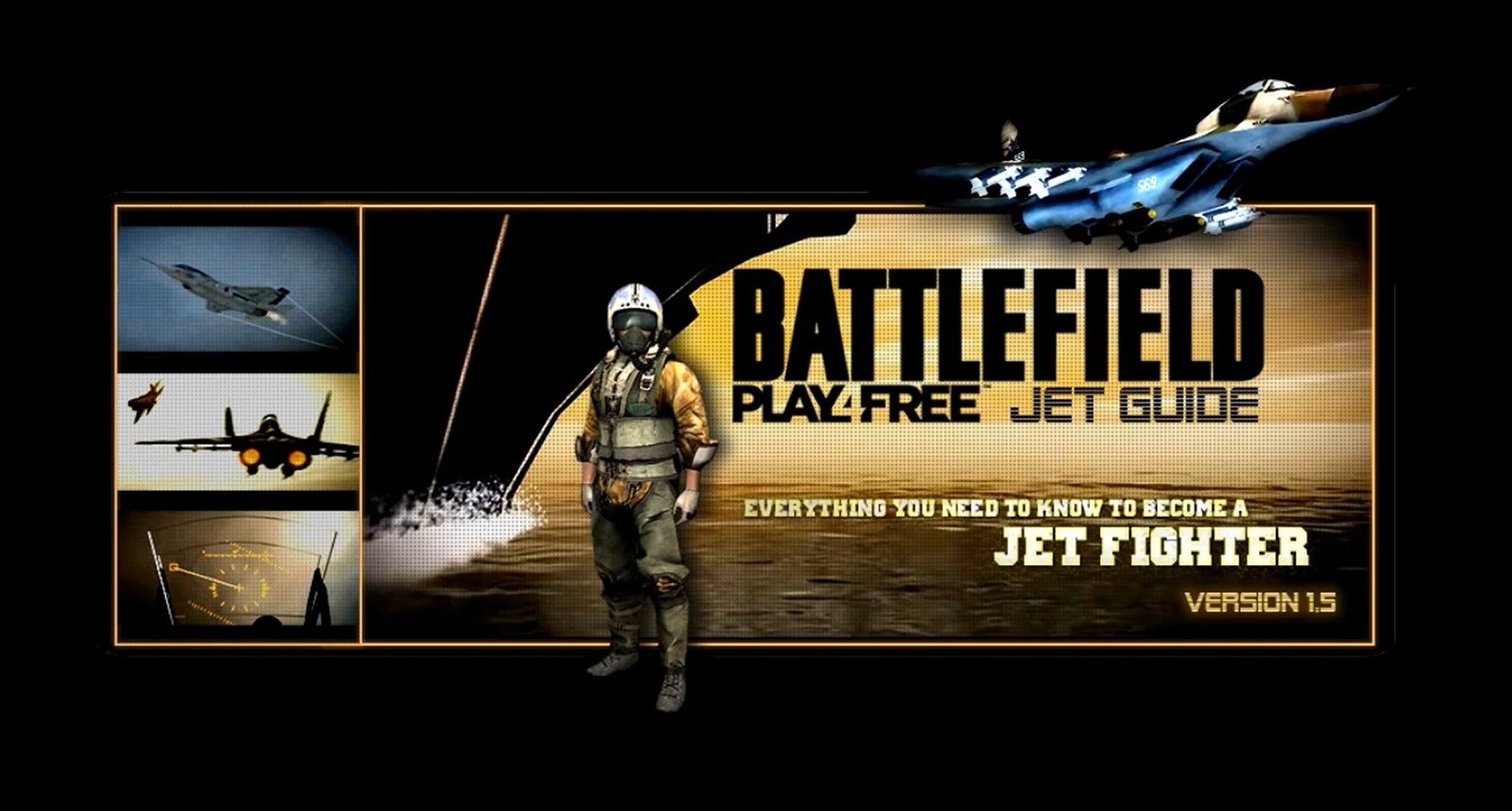 Game knowledge / community leadership
Battlefield Play4Free
Golden case in which in-depth game knowledge grows into guides, visualizations, community leadership, player coaching, team play and a joint world title.
Game knowledge / community leadership
Battlefield Play4Free
Golden case in which in-depth game knowledge grows into guides, visualizations, community leadership, player coaching, team play and a joint world title.
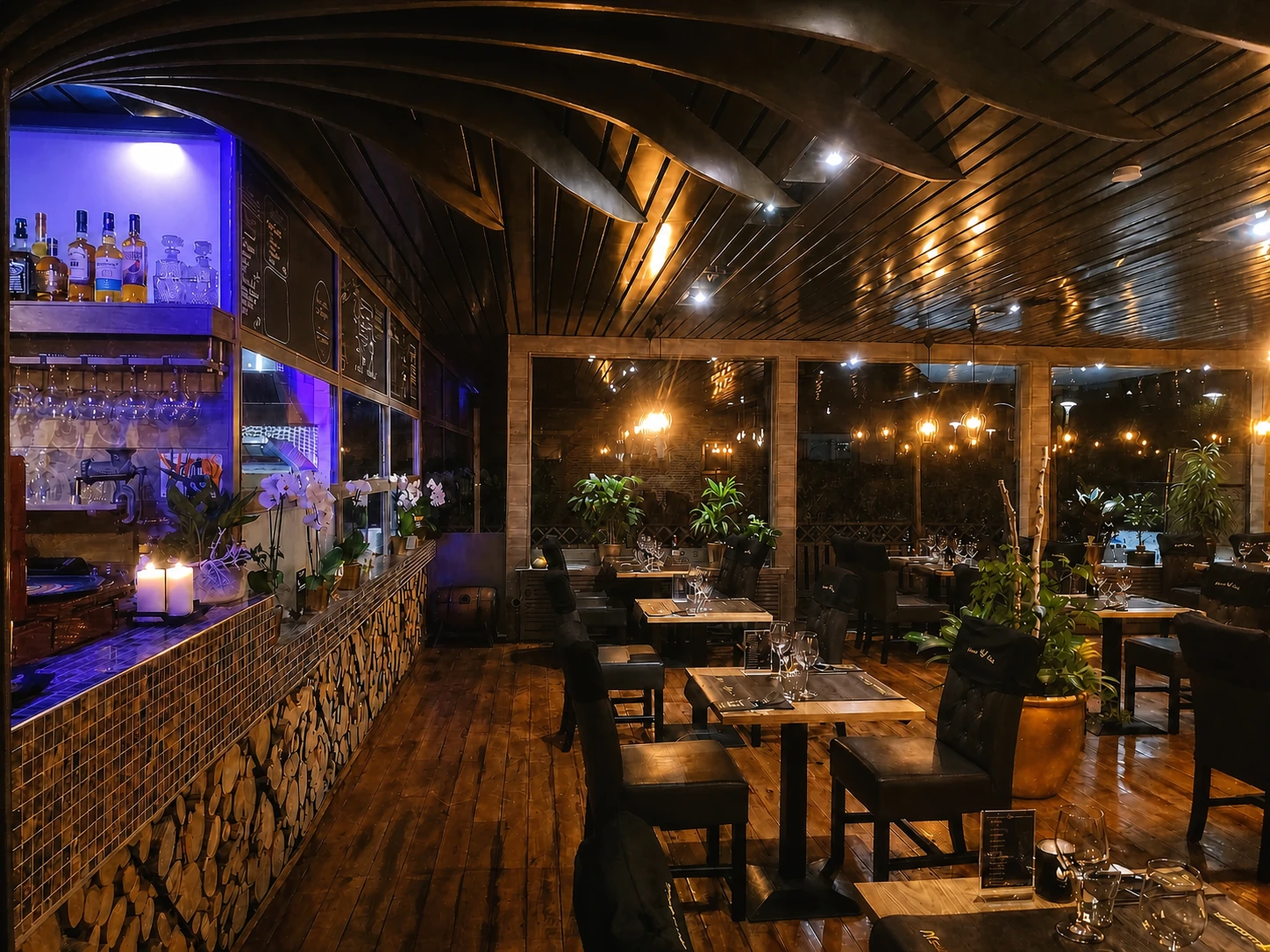 Steuncase / merk & operatie
Phoenix Garden
From outdated grill restaurant to warm hospitality concept with interior, branding, menu, QR flow, team and operation.
Steuncase / merk & operatie
Phoenix Garden
From outdated grill restaurant to warm hospitality concept with interior, branding, menu, QR flow, team and operation.
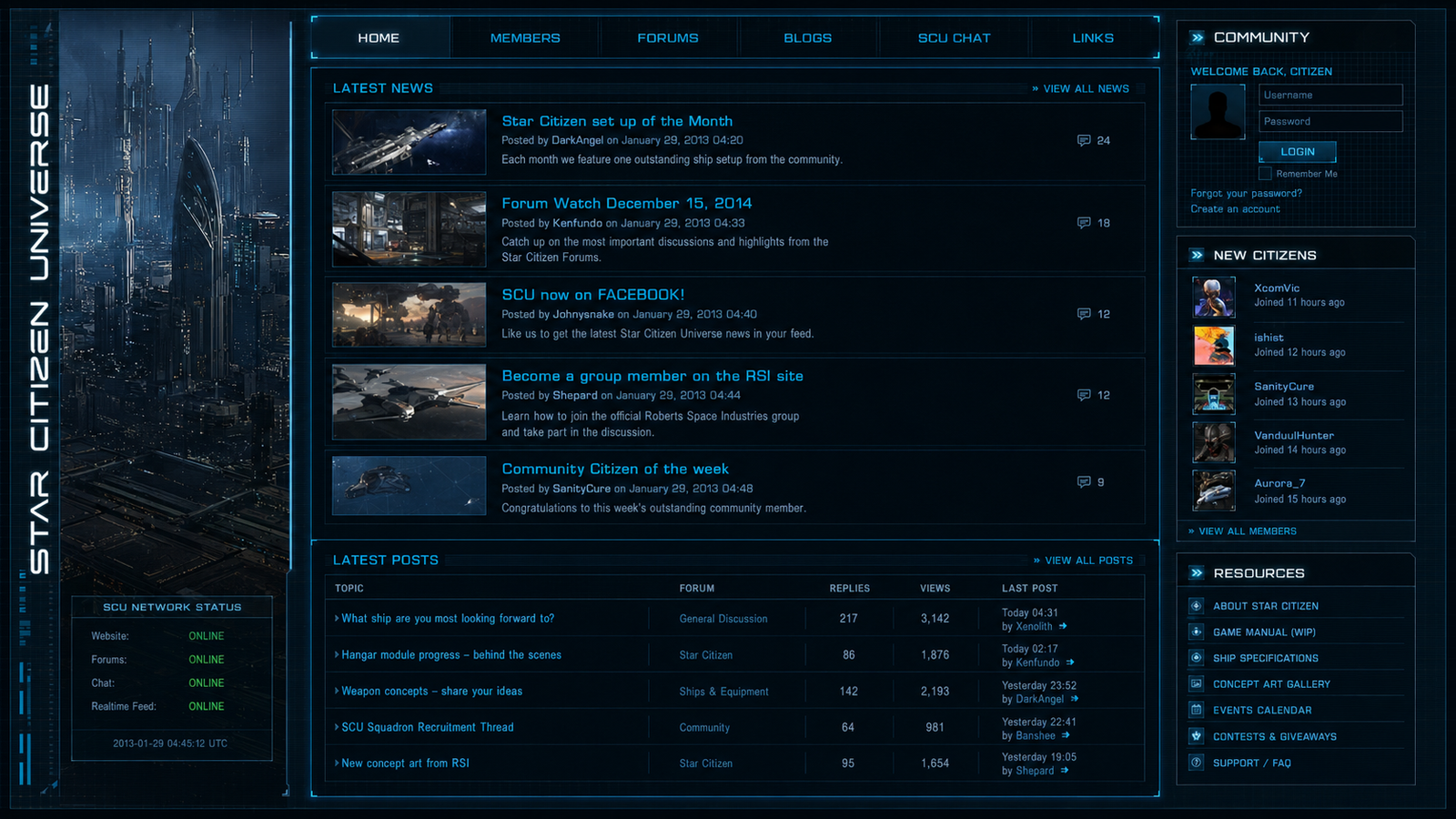 Interface / community design
Star Citizen Universe
Futuristic community website with frontend, HUD panels and profile interfaces. The design collage shows the direction of the interface work.
Interface / community design
Star Citizen Universe
Futuristic community website with frontend, HUD panels and profile interfaces. The design collage shows the direction of the interface work.
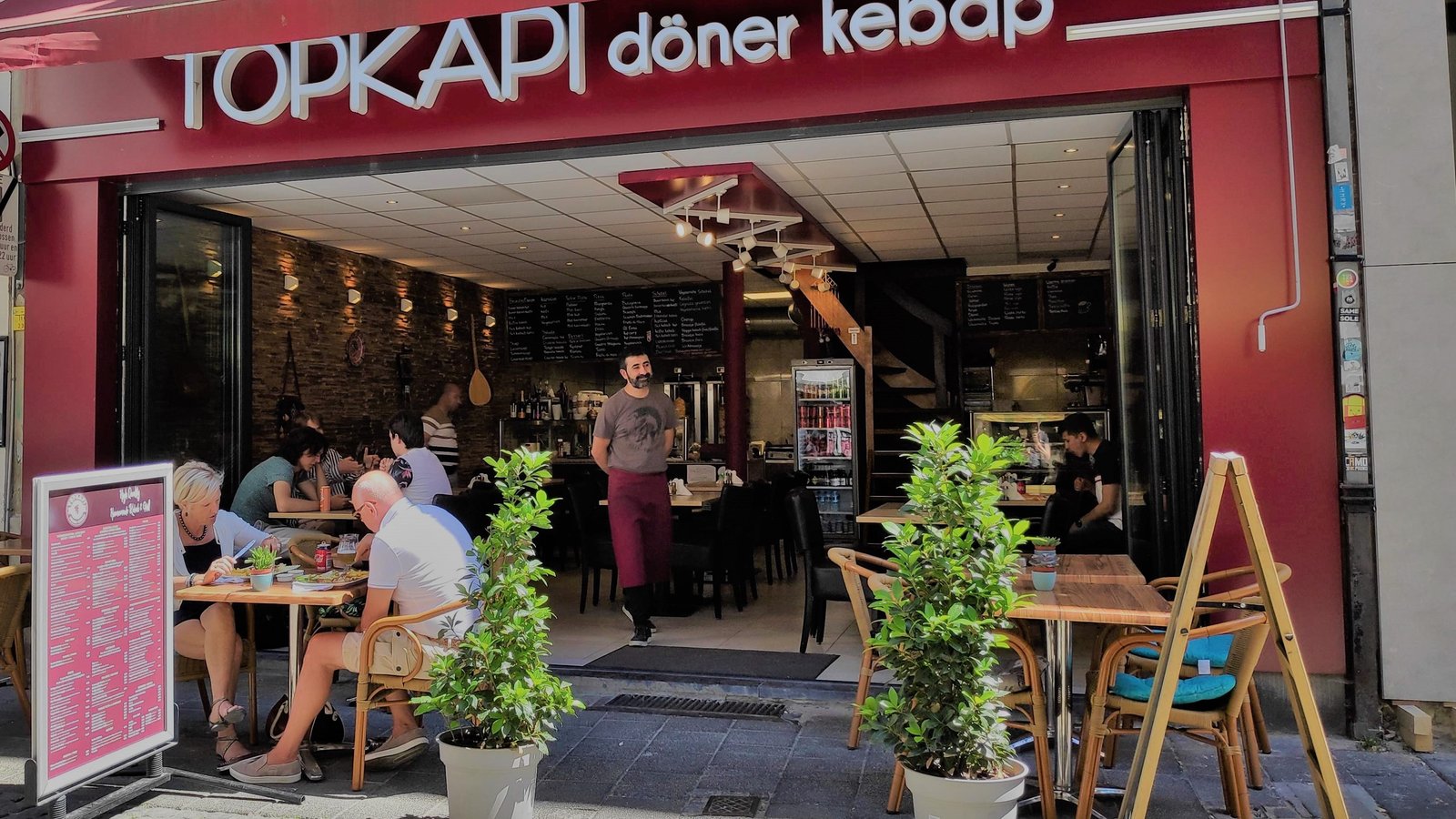 SME / restaurant / QR flow
Topkapi Restaurant
Restaurant website from 2020 in which atmosphere, menu, QR routing and visitor registration formed one practical guest journey.
SME / restaurant / QR flow
Topkapi Restaurant
Restaurant website from 2020 in which atmosphere, menu, QR routing and visitor registration formed one practical guest journey.